
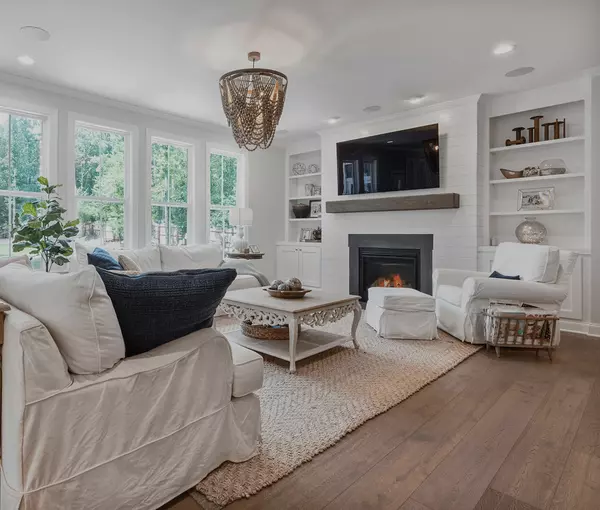
Relocating to Bozeman MT: Essential Tips for a Smooth Move
Relocation to Bozeman MT attracts many new residents each year because of outdoor access, jobs, and education. According to U.S. Census QuickFacts, Bozeman’s population passed 56,000 residents by 2023, reflecting one of the fastest growth rates in Montana. That pace of change shapes housing choices, commute patterns, and school enrollment. Understanding local conditions before boxes arrive helps households protect budgets, plan daily routines, and integrate smoothly into established neighborhoods across this fast-growing Gallatin Valley city.
What should a newcomer know about Bozeman’s neighborhoods and layout?
Bozeman’s core stretches along Main Street, with historic homes branching south toward South 3rd Avenue and Wilson Avenue. North of Main, residential blocks extend toward Story Mill Road and Bridger Drive, with quick access to Burke Park and Peet’s Hill. According to Walk Score, central Bozeman posts a walk score around 60, meaning many errands can be completed on foot, while outlying subdivisions lean heavily on cars for daily movement.
On summer evenings near Lindley Park, the scent of pine mixes with grilled food drifting from backyards along East Main Street, while soft acoustic music from downtown patios floats up the hill. Gravel paths crunch underfoot as runners pass the Bozeman Public Library, and the last orange light catches bicycles leaning against benches. That combination of mountain air, low city noise, and distant chatter helps many new residents feel the smaller-town atmosphere despite sustained population growth.
West Bozeman around North 19th Avenue and Fowler Avenue continues to add subdivisions, apartments, and commercial plazas. This area places residents close to Costco, Target, and Gallatin Valley Mall along Baxter Lane. East of downtown, neighborhoods near Highland Boulevard, Bozeman Health Deaconess Hospital, and the Bridger Creek Golf Course appeal to households seeking quicker access to hiking near the “M” Trail and Bridger Canyon. Choosing among these micro-areas early in any relocation to Bozeman MT helps align daily life with desired amenities.
How does the Bozeman housing market affect relocation timelines and budgets?
Bozeman’s housing market remains competitive relative to many similarly sized cities. According to Redfin data through early 2026, entry-level single-family homes typically sell between $650,000 and $800,000, with days on market often under 40. Condominiums and townhomes near Montana State University and Downtown Bozeman generally trade in the $400,000 to $550,000 range, depending on age, finishes, and parking options.
Renters planning relocation to Bozeman MT also face tight conditions. According to current listings tracked by Zillow, one-bedroom apartments frequently fall between $1,600 and $2,000 per month, while three-bedroom homes often command $2,800 to $3,500. Properties near North 19th Avenue, Ferguson Avenue, and Oak Street may cost more because of proximity to shopping, restaurants, and major employers.
Montana’s average effective property tax rate stands near 0.83%, based on analysis by Tax Foundation, which often compares favorably with coastal states. However, higher purchase prices in popular neighborhoods around South Willson Avenue, South Grand Avenue, and the southside historic district still result in meaningful annual tax bills. Budgeting for homeowner association dues in planned communities around Flanders Mill and The Crossing at Baxter Meadows adds another layer to long-term cost planning.
Which schools and educational resources shape family-focused moves?
School options often drive family decisions about relocation to Bozeman MT. Bozeman School District 7 operates several elementary schools, two comprehensive high schools, and middle schools serving different quadrants of the city. According to Bozeman School District 7, Gallatin High School and Bozeman High School each serve more than 1,500 students, helping balance enrollment as growth pushes into west and south Bozeman.
Residential areas near Meadowlark Elementary, Hyalite Elementary, and Morning Star Elementary often attract households prioritizing walkable school commutes. GreatSchools ratings show several Bozeman elementaries scoring between 7 and 9 out of 10, according to GreatSchools, although boundaries and ratings change periodically. Proximity to Montana State University along South 11th Avenue also appeals to those planning advanced degrees or wanting access to university events, libraries, and research facilities.
During autumn mornings near Gallatin High School along Oak Street, the crisp smell of coffee drifts from nearby cafés as students step from buses, while the metallic clang of skateboards echoes across the paved paths by the sports fields. Golden leaves rustle along Cottonwood Road, and loudspeaker announcements float over the cool air during early football practices. That sensory rhythm of school bells, traffic, and mountain views often shapes the daily experience for families relocating into this side of Bozeman.
How do transportation, commuting, and weather patterns influence daily life?
Bozeman functions as a regional hub, so transportation planning matters for any relocation to Bozeman MT. According to Bozeman Yellowstone International Airport, annual passenger counts surpassed 2.4 million in 2023, with nonstop flights to more than 20 destinations. The airport lies roughly 9 miles northwest of downtown via Interstate 90 and Airway Boulevard, making early-morning flights manageable from most city neighborhoods with a short drive.
Local commuting relies heavily on vehicles, though the Streamline bus system provides free routes connecting Downtown Bozeman, Montana State University, and commercial corridors along North 7th Avenue and North 19th Avenue. According to Streamline Bus, several routes run every 30 to 60 minutes on weekdays. Winter driving demands preparation, especially on roads leading toward Bridger Canyon, Hyalite Canyon, and Four Corners, where snow can drift quickly across open stretches.
Climate influences everything from vehicle choice to housing preference. The National Weather Service station near Bozeman reports average annual snowfall around 70 to 90 inches, based on data summarized by National Weather Service. Many residents favor garages, covered parking, or carports, particularly in neighborhoods off Durston Road, Babcock Street, and Kagy Boulevard. Good insulation and efficient heating systems gain importance in older homes, especially those built before 1990 in historic districts south of Main Street.
What lifestyle, recreation, and services can new residents expect in Bozeman?
Outdoor access remains central to relocation to Bozeman MT. Bridger Bowl Ski Area sits about 16 miles north along Bridger Canyon Road, while Big Sky Resort lies roughly 45 miles south via U.S. Highway 191. Trails at Hyalite Canyon, the “M” Trail above the College Street trailhead, and Drinking Horse Mountain offer year-round hiking options within about a 15-minute to 25-minute drive from central Bozeman, according to estimated travel times on Google Maps.
Inside city limits, Lindley Park, Bogert Park, and Story Mill Park provide playgrounds, walking paths, and community events. The City of Bozeman lists more than 40 parks and open spaces on its Parks and Recreation map, including Peet’s Hill at Burke Park, popular for sunset views over the Gallatin Range. Cultural amenities such as Museum of the Rockies near Kagy Boulevard and the Emerson Center for the Arts and Culture along South Grand Avenue deliver year-round exhibits and performances.
Daily services cluster along Main Street, North 7th Avenue, and North 19th Avenue. Grocery options include Co-op Downtown, Town & Country Foods near 11th Avenue, and larger chains by Gallatin Valley Mall. Restaurants like Blackbird Kitchen, Jam!, and Montana Ale Works line Downtown Bozeman, while coffee shops such as Wild Joe’s, Treeline Coffee Roasters, and Rockford Coffee fill the air with espresso aromas. Access to Bozeman Health Deaconess Hospital and nearby specialty clinics also influences many location decisions within city limits.
The 56,000-resident population cited at the start of this guide reflects sustained demand that shapes prices, commute times, and school capacity across Bozeman. That same figure from the opening underscores how even small timing advantages can affect housing outcomes in this fast-growing city. The Big Sky Country MLS market reports offer one of the clearest ongoing views of active listings and recent sales trends for the region. Buyers who register listing alerts there and commit to touring promising properties within 24 to 48 hours before the late-spring surge often secure stronger terms, while those waiting until mid-summer frequently face tighter inventories, higher prices, and more frequent multiple-offer situations.
FROM OUR BLOG

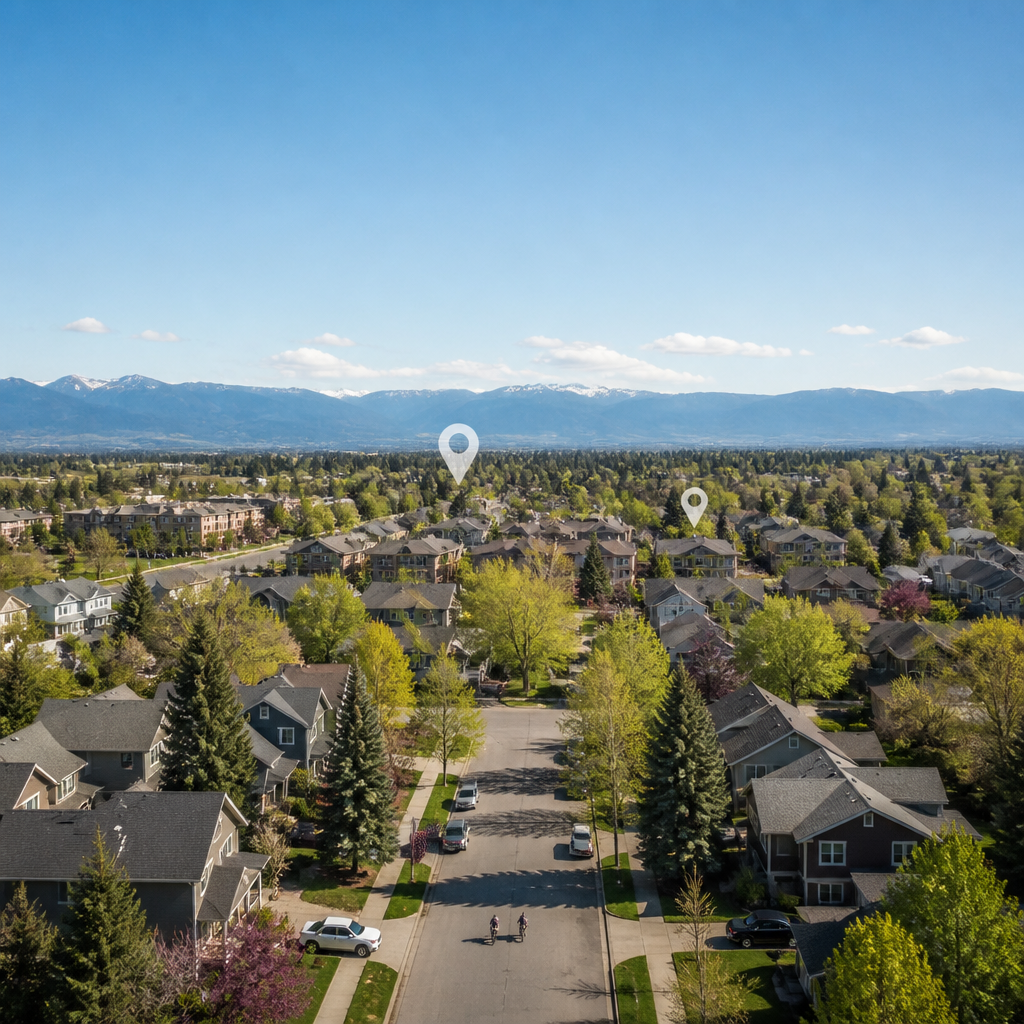
First-Time Home Buyer Guide: Navigating Kalispell MT Real Estate in 2026
First-Time Home Buyer Guide: Navigating Kalispell MT Real Estate in 2026 Kalispell’s combination of historic Main Street charm and access to Glacier National Park continues to attract first-time buyers from across Montana. According to Redfin, the median Kalispell home price hovered in the range of

Gardiner MT Real Estate Market Trends: What Buyers Need to Know in 2026
Gardiner MT Real Estate Market Trends: What Buyers Need to Know in 2026 Gardiner sits at the North Entrance of Yellowstone National Park, where small-town housing meets global tourism. According to U.S. Census Bureau data, Gardiner’s population was 833 residents in 2020, highlighting a very limited